Online businesses often notice carding only after something feels wrong. Failed authorisations rise, small payment attempts appear in clusters and checkout activity stops looking like normal customer behaviour. Behind that pattern is a form of automated payment abuse that helps criminals identify which stolen card details still work.
That is why carding matters far beyond the payment team. It affects fraud rates, customer trust, operational workload, and the stability of online revenue. Even when most attempts fail, it can still create chargebacks, manual review work, payment noise, and avoidable pressure on checkout systems.
Table of contents
What is carding?
Carding is a type of payment fraud in which attackers use stolen credit or debit card data to identify which cards are still valid and then use them for fraudulent transactions or resale. This validation step is often called card testing in ecommerce and payment operations.
In practice, the testing phase is often the most important part. Fraudsters do not always begin with a large purchase. They often start with small, low-risk attempts to see whether a card number, expiry date, billing detail or security code still works. Once a card is confirmed, it becomes more useful for gift card fraud, digital purchases, account abuse, or resale to other criminals.
How carding works
Most carding attacks follow a simple pattern. First, attackers obtain stolen card data. That data can come from phishing, malware, digital skimming, older breaches, or criminal marketplaces. If payment pages are not properly protected, browser-side scripts and other checkout weaknesses can also expose card data that later feeds fraud activity elsewhere.
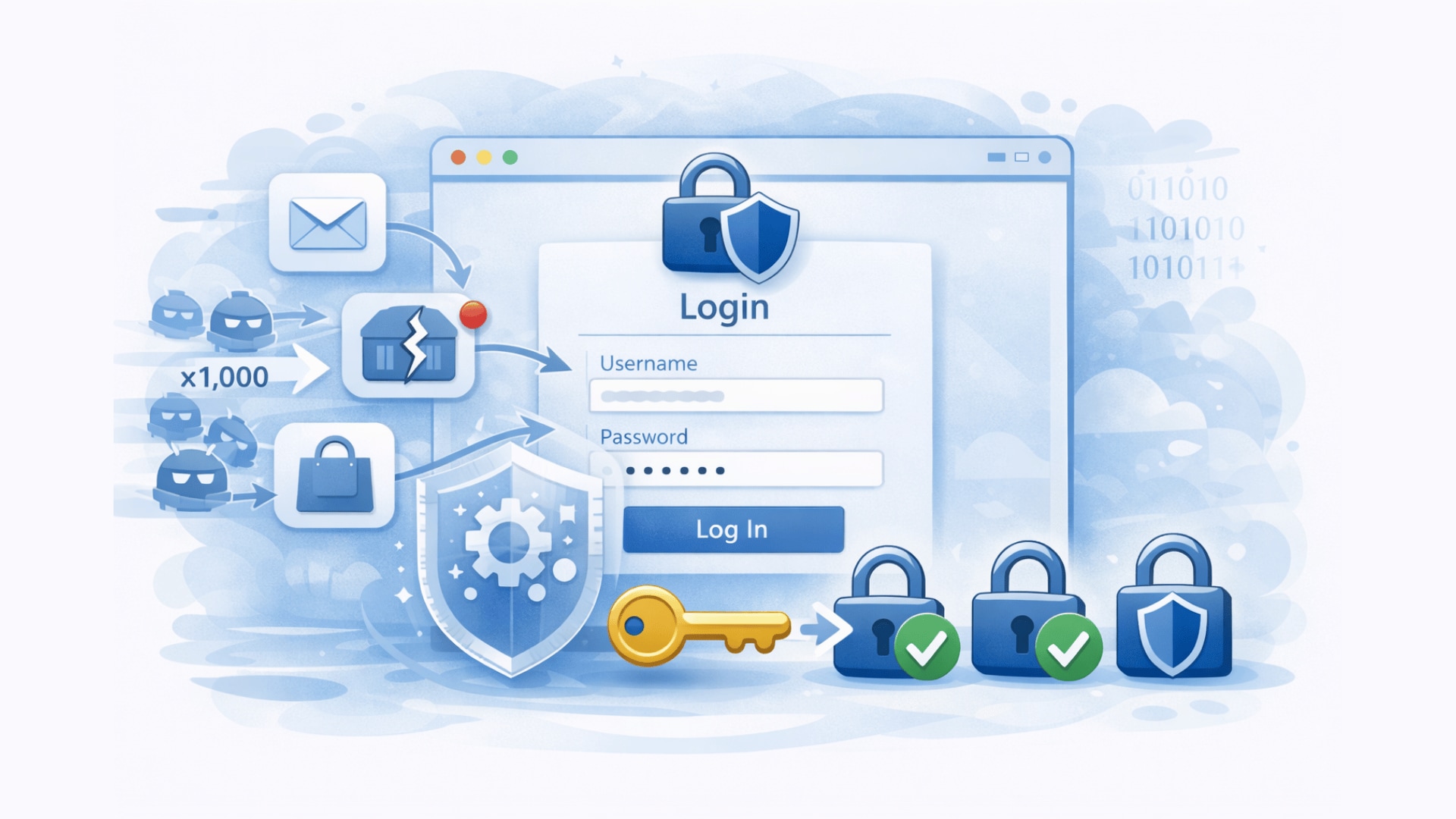
Next comes validation. Attackers use automated tools to run the stolen data through live payment flows. These tests often happen through e-commerce checkout pages, donation forms, trial signups, card-on-file forms, payment setup flows, or simple authorisation requests. The goal is speed and scale. A bot can cycle through large numbers of card details far faster than a human could.
If some attempts succeed, the attacker has a list of working cards. Those cards may then be used for gift cards, digital goods, subscriptions, or products that are easy to resell. In other cases, the validated data is sold onward because confirmed cards are more valuable than untested ones. For the merchant, the pattern may look messy rather than dramatic: many failed attempts, a few suspicious successes, and bursts of payment activity that did not match normal buyer behaviour.
Carding vs. card testing and related fraud
These terms are closely related, but they are not identical.
Carding is the broader fraud activity. It covers the testing and later misuse of stolen card details. Card testing usually refers to the validation phase, where attackers check which stolen cards still work. Card-not-present fraud is the wider category that covers fraudulent online payments where no physical card is shown. E-skimming is different again. It is a method for stealing payment data directly from a checkout page. Carding often follows after that stolen data is tested or used for fraud. Chargebacks are not the attack itself. They are one of the main consequences for the merchant after fraudulent payments are disputed.
This distinction matters because businesses often focus on the wrong layer. A carding problem is not only a payment fraud problem. It may also involve bot abuse, weak checkout controls, poor payment page security, and limited visibility into suspicious payment patterns.
Why carding matters for businesses
It creates damage long before a large fraud case is confirmed. Even failed attempts consume payment resources, distort analytics, trigger fraud reviews, and create noise in reporting. A business may see unusual declines, higher support volume, or gift card issues before it realizes that bots are testing stolen data on the site.
If fraudulent transactions succeed, the consequences grow quickly. The merchant may face chargebacks, lost goods or services, refund handling, and higher payment risk scores. Some businesses also see indirect harm through lower conversion quality and more manual review work. Large bursts of failed authorisations can also draw unwanted attention from acquiring and payment risk teams.
The risk is not limited to retailers with physical goods. Subscription services, SaaS providers, travel platforms, marketplaces, digital goods, trial signups, donations, and gift card flows can all become testing grounds if they lack the right controls. In other words, a business can suffer from carding even if the stolen card data was compromised somewhere else. That last point is an inference from how live merchant payment systems are used to validate stolen cards.
Signs of a carding attack
Many businesses do not recognize it at first because it often looks like noisy payment traffic. The pattern becomes clearer when you know what to look for.
A common sign is a sudden rise in failed authorisations or failed payments, especially in a short time window. Another is a burst of low-value transactions that does not match normal buying patterns. Gift cards, prepaid products, and other low-friction purchases are common targets because they are easy to monetise and difficult to recover once delivered. Unusual activity around balance checks or repeated attempts to buy low-value digital products can also indicate that attackers are testing stolen card details.
You may also see repeated payment attempts against the same flow with failed verification checks, such as CVC, postal code, or billing address mismatches. Some attacks spread attempts across many accounts or sessions to avoid simple detection rules. Others target payment setup flows rather than standard checkout because those steps can be quieter from the customer’s point of view.
Operational signals matter too. Fraud queues may grow. Support teams may see more complaints. Payment data may become harder to interpret because normal customer activity is mixed with bot-driven testing. When several of these signs appear together, carding should be part of the investigation.
How to prevent carding
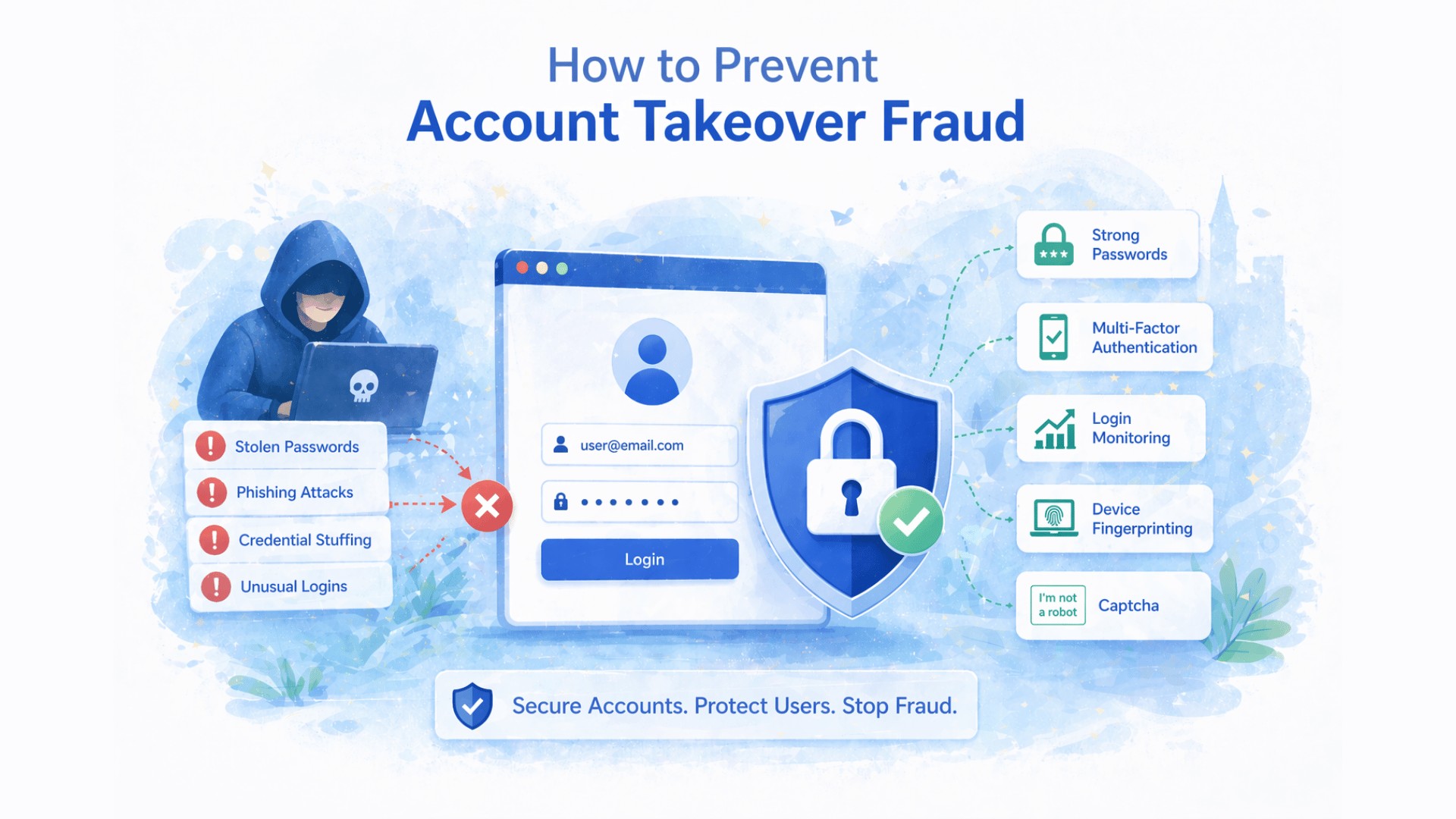
The strongest defence is layered. Start with the payment basics. Collect and verify security-relevant information where appropriate, including CVC, postal code, and billing address. These checks do not solve it alone, but they improve fraud screening and make simple testing harder.
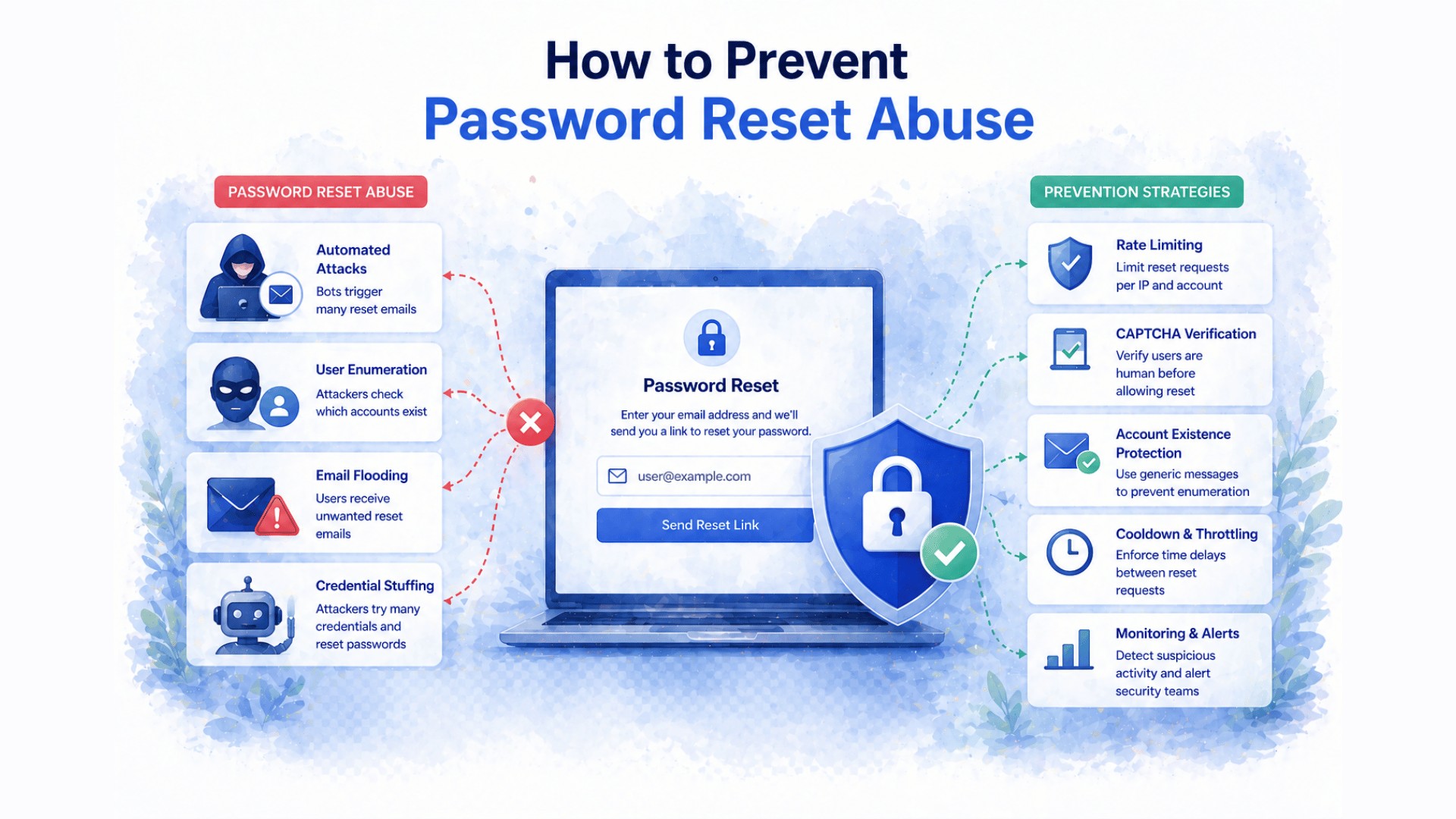
Then focus on abuse patterns. Rate limiting, velocity checks, transaction thresholds, and behavioural monitoring help detect repeated testing. Gift card purchases, trial signups, account creation, and card-on-file flows deserve special attention because attackers often target them for fast validation. Simple IP blocking is rarely enough on its own when attackers spread attempts across infrastructure and sessions.
Payment page security matters too. If attackers can steal card data elsewhere through weak checkout security, the wider carding ecosystem becomes harder to control. Current PCI guidance for ecommerce highlights the need to authorize payment page scripts, verify their integrity, and monitor them for tampering. That makes payment page security relevant even when your immediate concern is card testing.
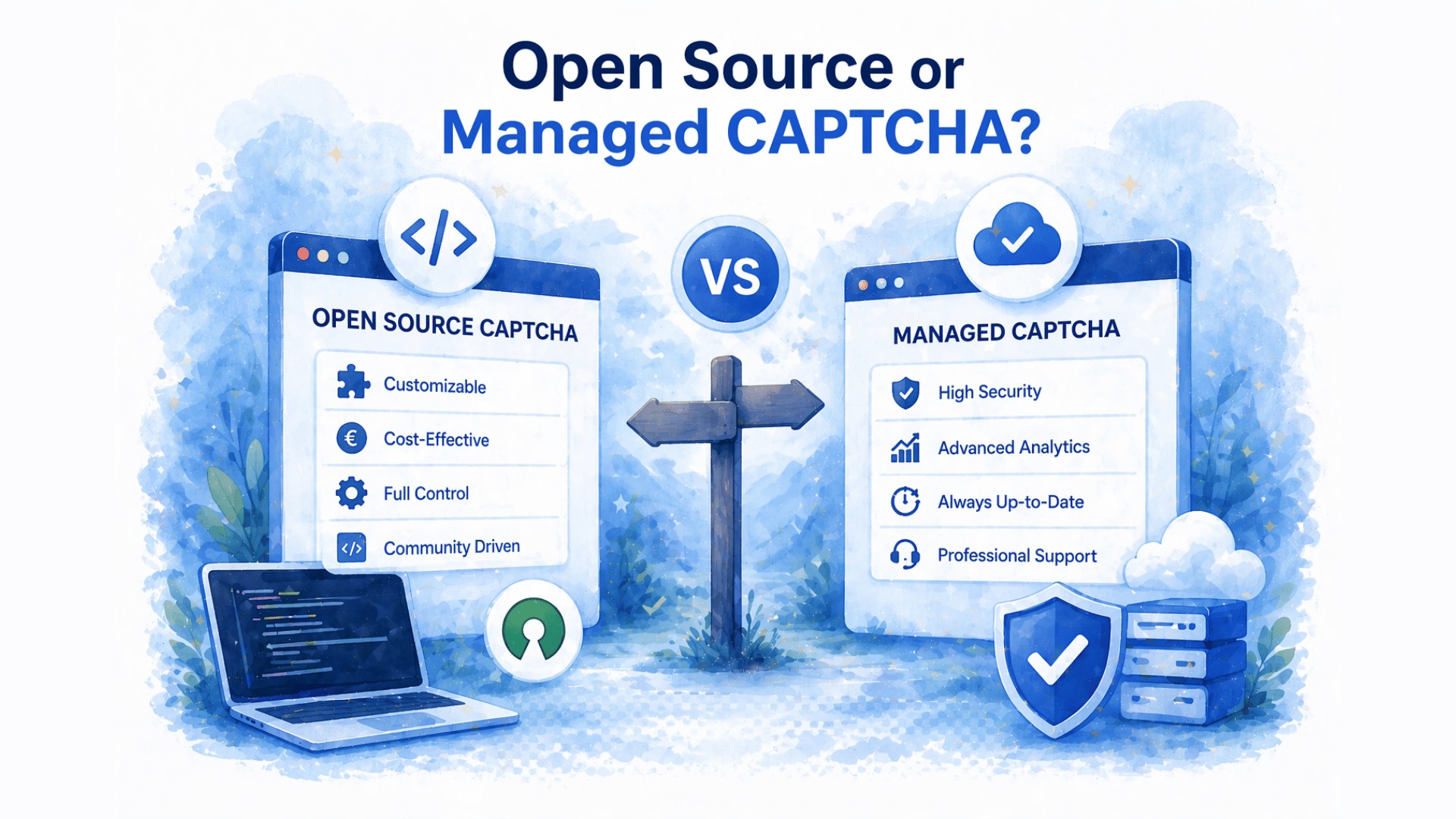
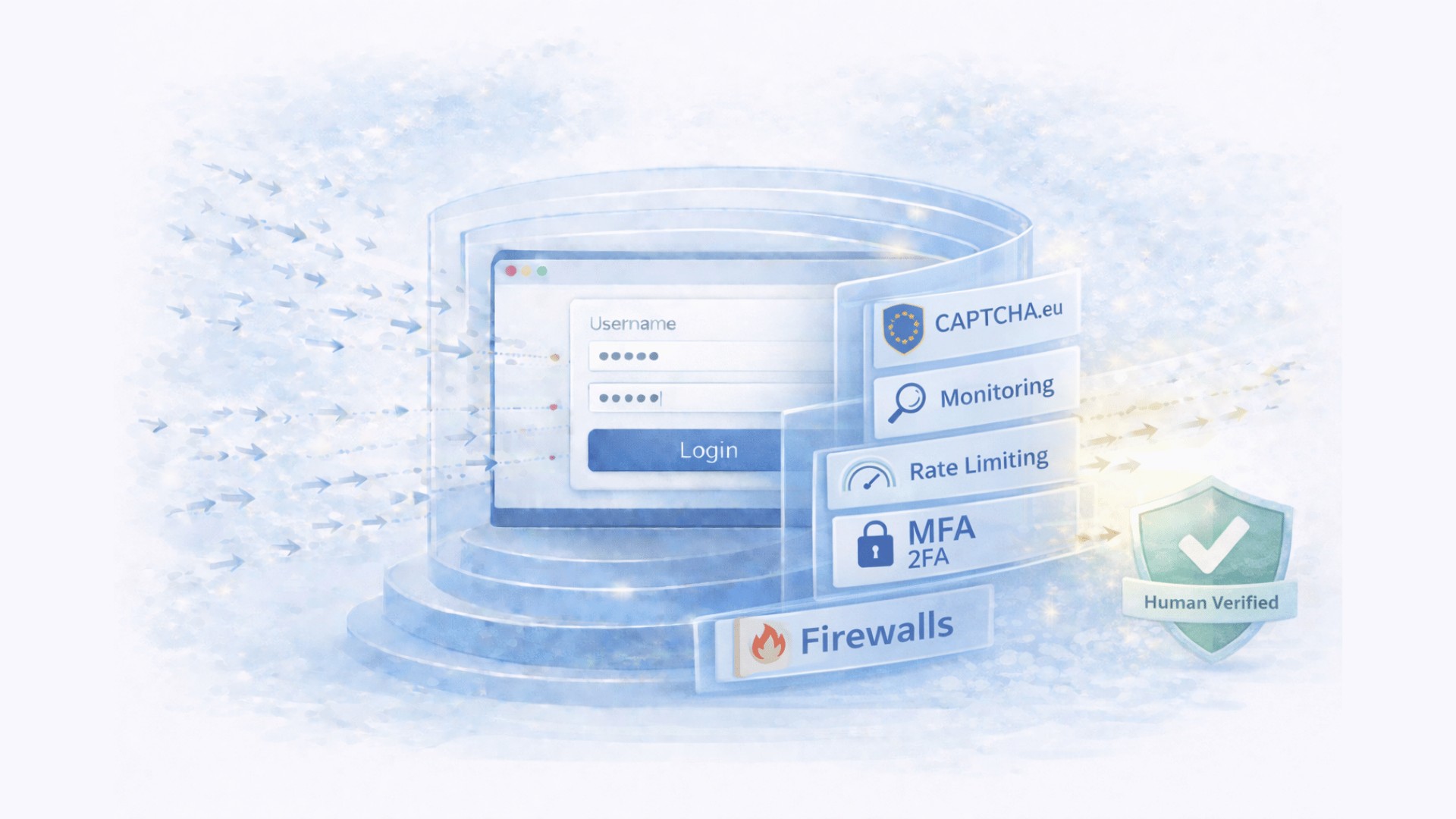
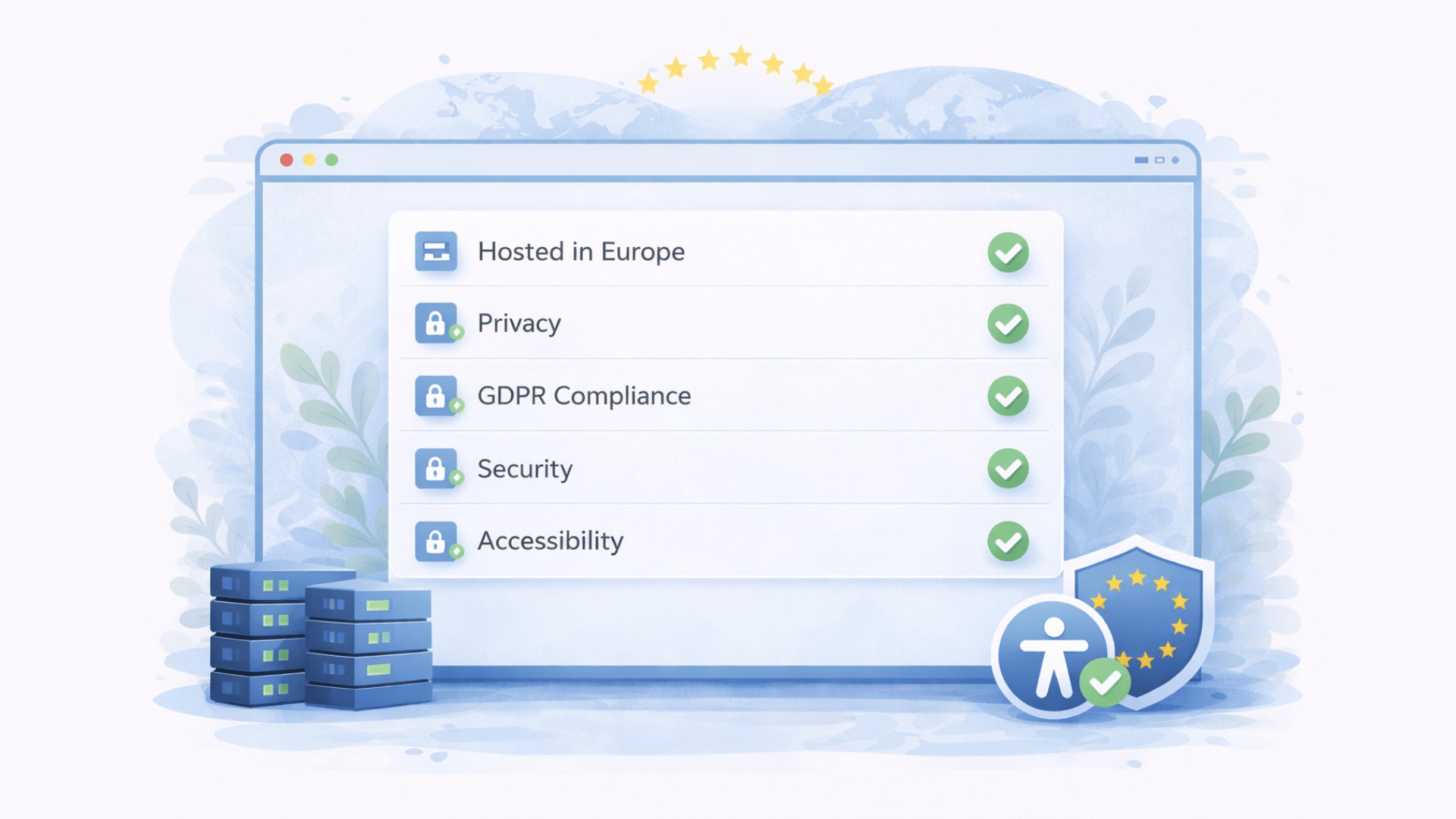
CAPTCHA can support this defence, but only as one layer. It will not fix weak payment rules or insecure checkout design. It can, however, make automated testing harder on exposed forms, suspicious sessions, account creation flows or selected checkout steps. For European businesses, captcha.eu is relevant here because it positions its service around GDPR-compliant bot protection, no tracking, no cookies, and hosting in Austria.
Future outlook
Carding is becoming more adaptive. Attackers spread attempts across devices, accounts, and infrastructure to avoid simple detection rules. They also shift between checkout, signup, gift card, and payment setup flows depending on where friction is lowest. Merchant guides from Stripe and other payment providers continue to emphasize mitigation, monitoring, and targeted controls rather than any single silver bullet.
That means static controls are rarely enough on their own. The better approach is continuous monitoring of payment behaviour, combined with targeted friction where the risk is highest. For most organizations, the challenge is not only blocking obvious fraud. It is stopping automated testing early enough that the payment flow remains usable for legitimate customers and unprofitable for attackers.
Conclusion
Carding is the automated testing and misuse of stolen payment card data. For merchants, the danger is not only fraudulent purchases. It is also the hidden cost of failed authorisations, chargebacks, customer friction, manual review work, and abused payment infrastructure.
The best response is practical and layered. Understand which flows can be tested. Watch for suspicious low-value activity. Strengthen payment checks. Monitor behaviour. Add friction where automation becomes visible. Secure the payment page as well as the checkout logic behind it.
Where bots target exposed forms or checkout-related flows, a CAPTCHA can be a useful supporting control. In that role, captcha.eu fits a European, privacy-focused model with GDPR-compliant protection hosted in Austria.
FAQ – Frequently Asked Questions
What is carding in simple terms?
Carding is a type of payment fraud in which attackers test stolen card details to find out which cards still work. They then use the valid cards for fraudulent purchases, gift cards, account abuse, or resale.
Is carding the same as card testing?
Not exactly. Card testing is usually the validation phase inside a broader carding attack. In everyday fraud discussions, however, the two terms are often used closely together.
Why do carding attacks use small payments or authorisation requests?
Small transactions and authorisation-style checks can help attackers test whether stolen card details still work while attracting less attention than a large fraudulent purchase. Payment setup and similar flows can also be useful because they may be less obvious to cardholders.
Can carding happen even if my website was not breached?
Yes. Attackers often use public payment flows to test stolen cards that were compromised elsewhere. In that case, your site is not the source of the theft, but it still becomes the system used for validation and attempted fraud. This is an inference supported by how current merchant guidance describes live payment systems being used for card testing.
How can a business spot carding?
Common signs include many failed authorisations, unusual low-value orders, repeated failed verification checks, suspicious activity around gift cards or payment setup, and bursts of traffic that do not match normal customer behaviour.
Can CAPTCHA stop carding?
Not on its own. Carding prevention also needs payment controls, fraud detection, and monitoring. But CAPTCHA can help reduce bot-driven testing on exposed forms and suspicious checkout steps.
100 free requests
You have the opportunity to test and try our product with 100 free requests.
If you have any questions
Contact us
Our support team is available to assist you.