
Knowledge Base
-
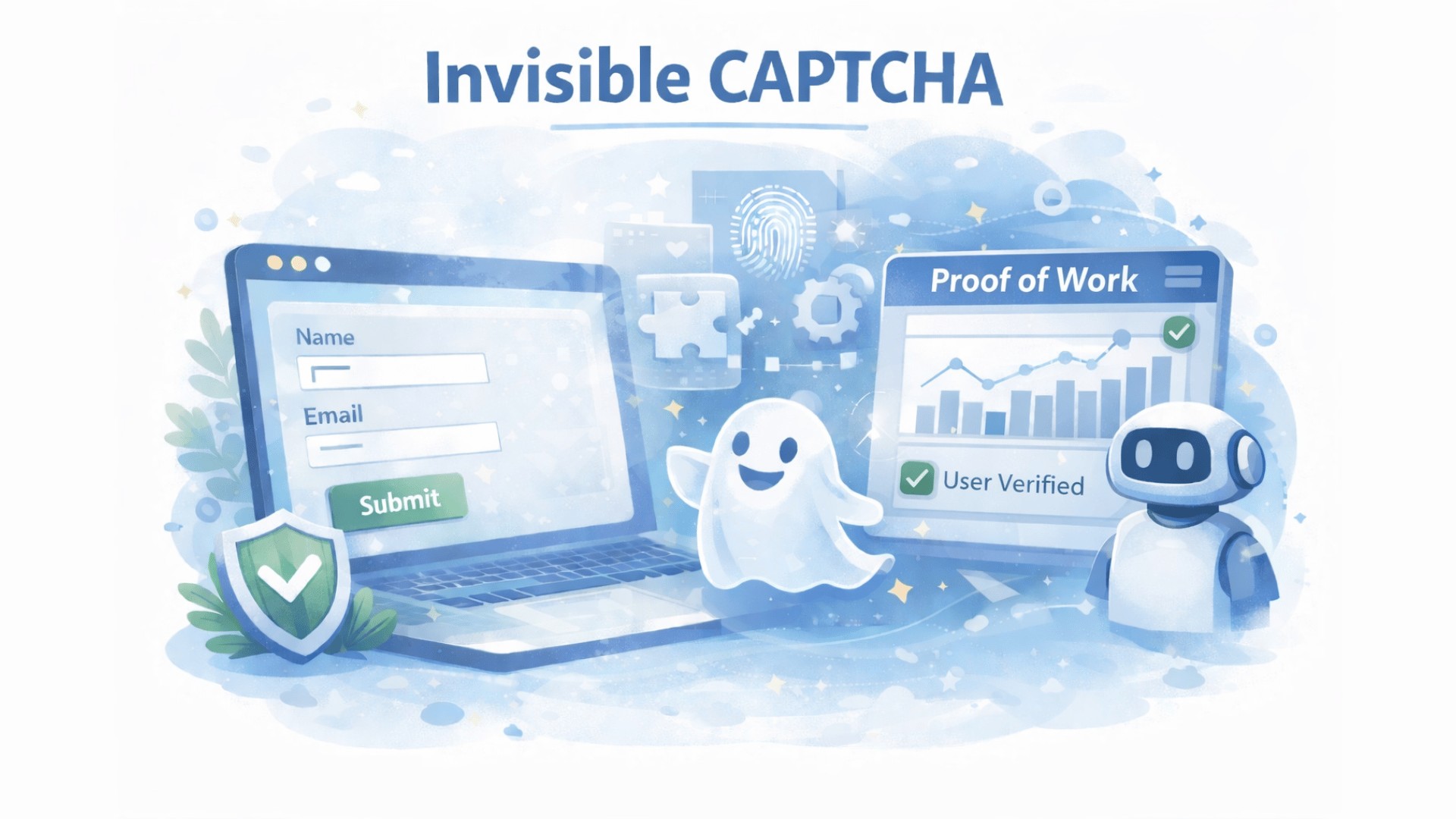
What Is Invisible CAPTCHA? How It Works and Why It Matters
Read more: What Is Invisible CAPTCHA? How It Works and Why It MattersInvisible CAPTCHA aims to verify users in the background with little or no visible interaction: no puzzles, no checkboxes, no friction for most users. But “invisible” covers two fundamentally different technical approaches, and some implementations still step up to visible challenges for traffic they cannot classify. Understanding the difference helps you choose the right solution…
-
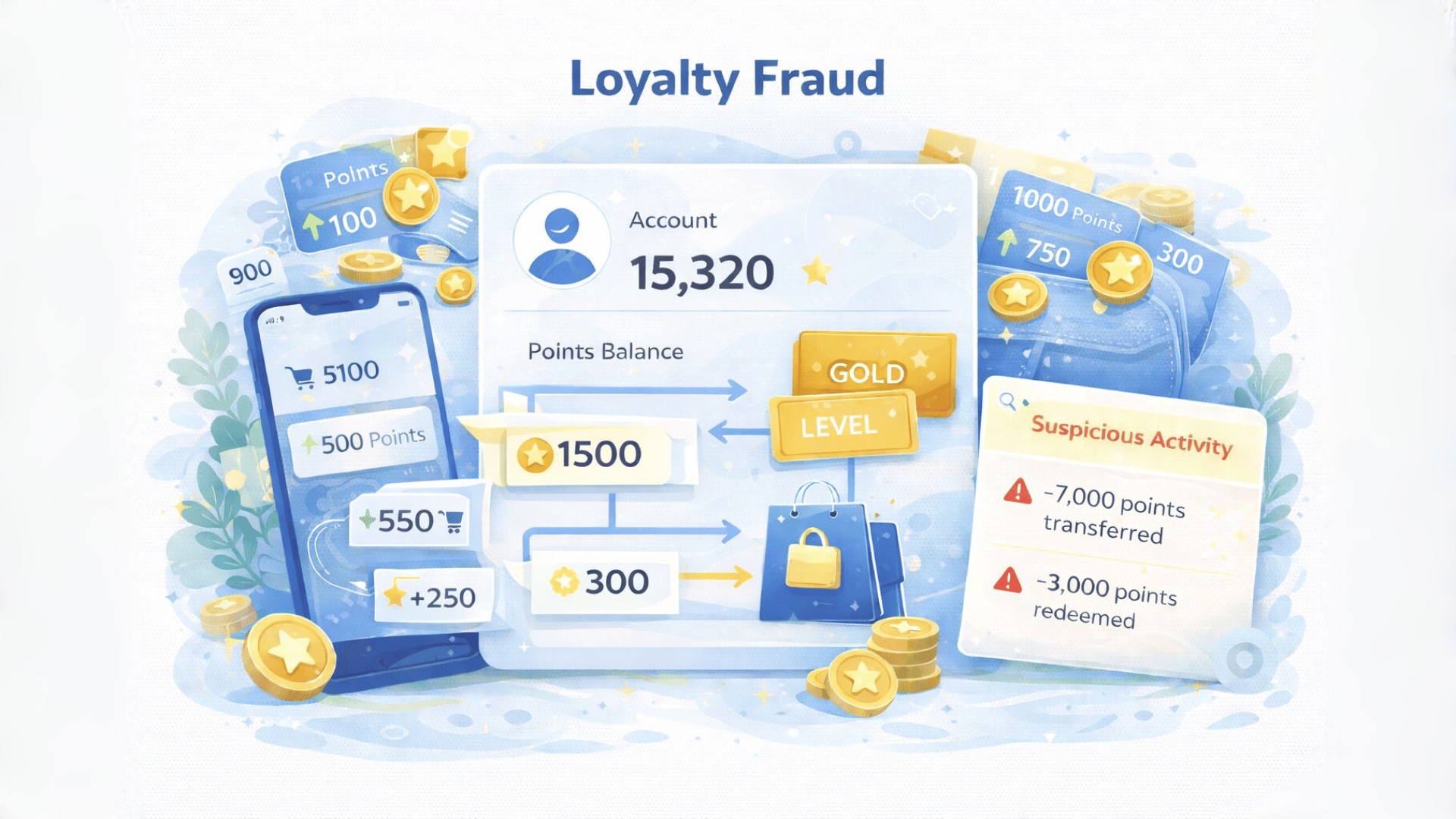
What Is Loyalty Fraud? Examples, Warning Signs and Prevention
Read more: What Is Loyalty Fraud? Examples, Warning Signs and PreventionLoyalty fraud is the theft, misuse or manipulation of loyalty points, miles, rewards, or program benefits for financial gain. It can involve account takeover, fake account creation, insider abuse, or customers exploiting weak program rules. For businesses, the result is not only direct loss, but also customer frustration, higher support costs, and erosion of trust.…
-
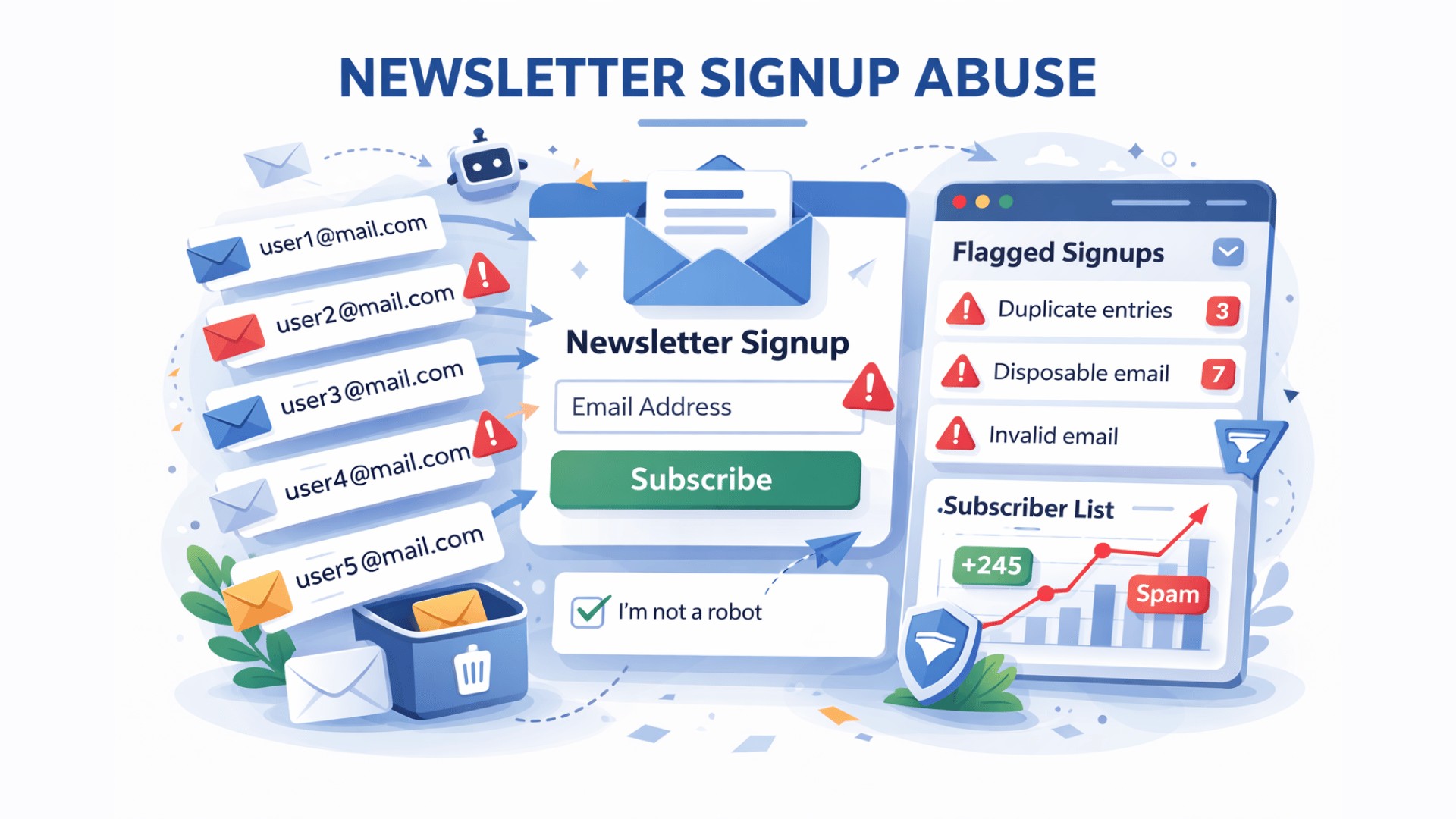
What Is Newsletter Signup Abuse?
Read more: What Is Newsletter Signup Abuse?Newsletter signup abuse happens when bots or attackers use a subscription form without real consent or genuine interest. It can fill a mailing list with fake addresses, harm sender reputation, distort marketing data, and even support attacks such as subscription bombing. This article explains how newsletter signup abuse works, why it matters for businesses, and…
-
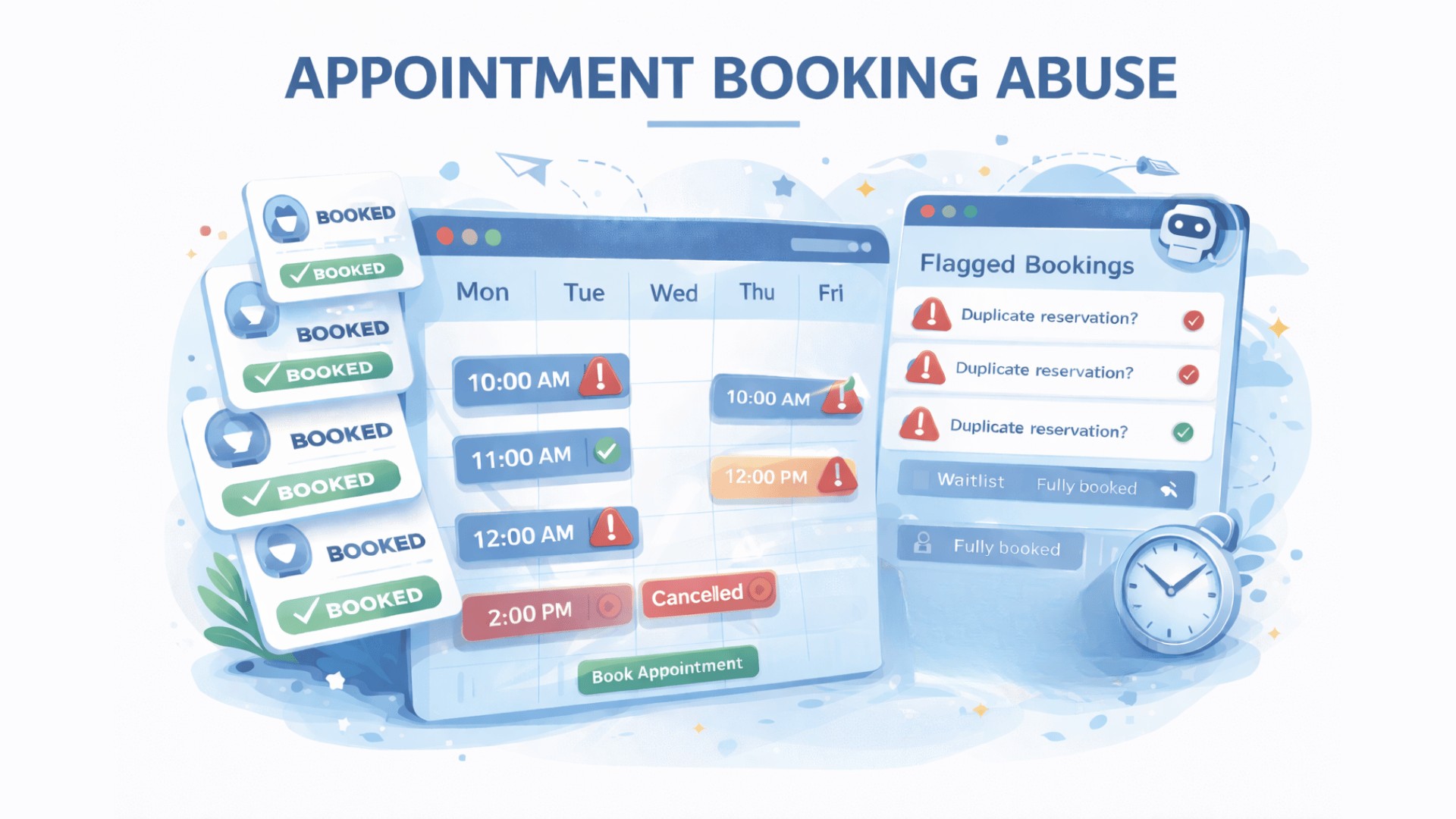
What Is Appointment Booking Abuse?
Read more: What Is Appointment Booking Abuse?Appointment booking abuse happens when bots or bad actors reserve, hold or monopolize available time slots unfairly. They do not always “hack” the website in the usual sense. Instead, they use the booking flow exactly as intended, but at a speed and scale that real users cannot match. That makes this a business logic problem,…
-
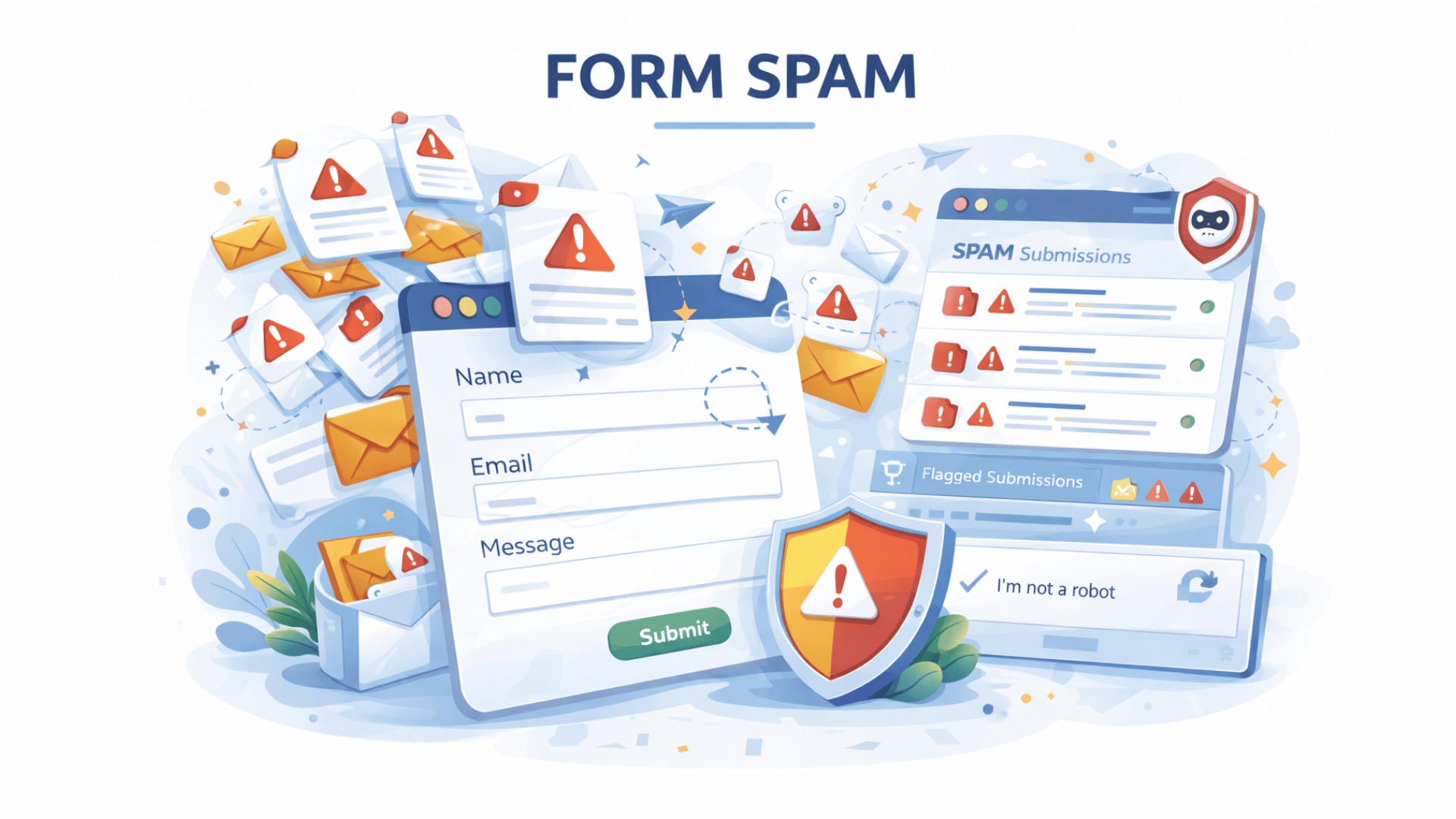
What Is Form Spam?
Read more: What Is Form Spam?Form spam is one of the most common ways bots abuse a website. It happens when bots or human attackers submit unwanted, irrelevant, or malicious data through online forms such as contact forms, sign-up forms, lead forms and registration fields. At first, a few bad submissions may look harmless. In reality, they can create bigger…
-
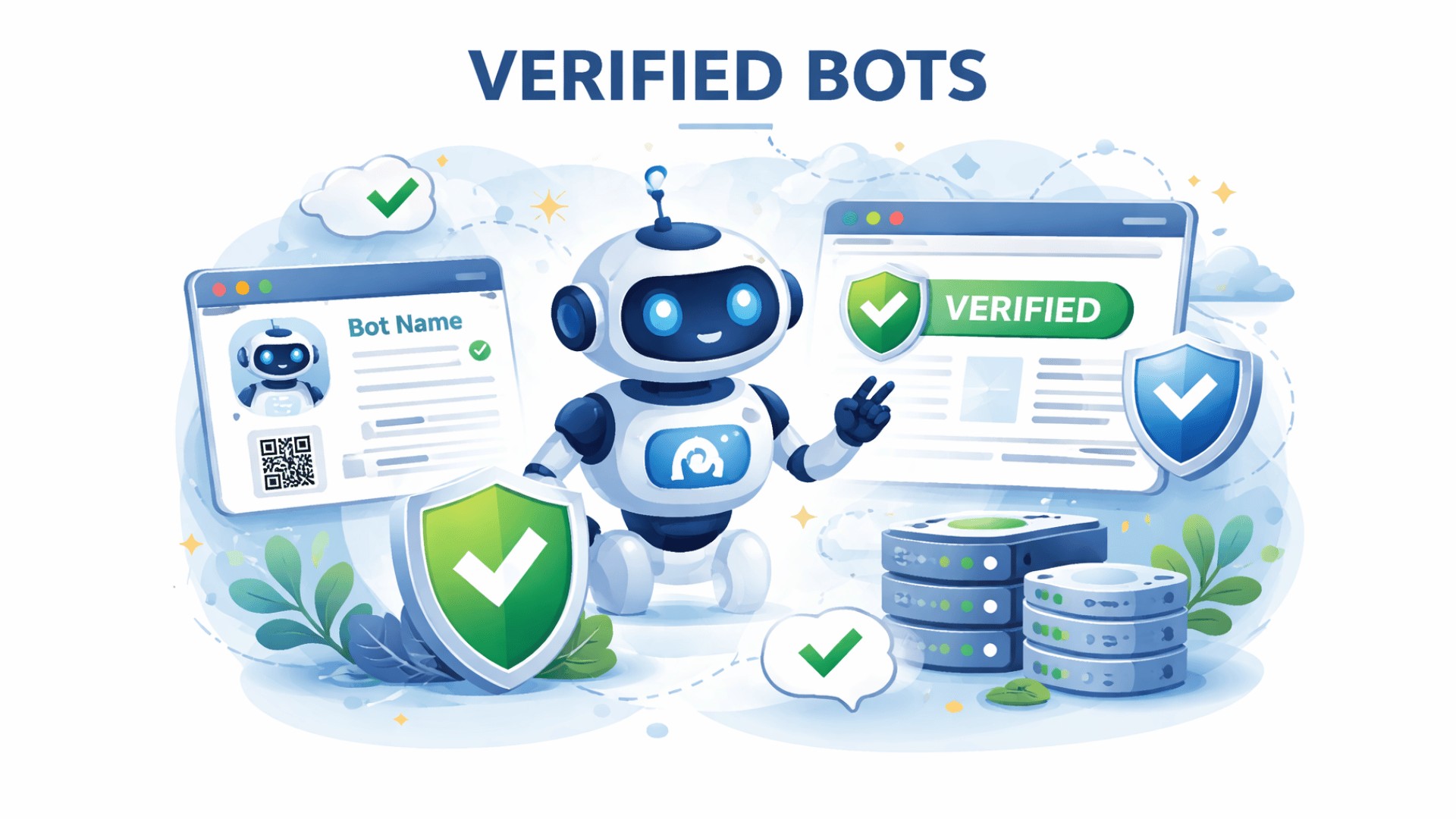
What Are Verified Bots?
Read more: What Are Verified Bots?Verified bots are automated services whose identity has been validated, so businesses can distinguish trusted crawlers and monitoring tools from spoofed or malicious traffic. This article explains what verified bots are, how bot verification works, why user-agent strings are not enough, and how to manage verified bot traffic without harming visibility or security.
-
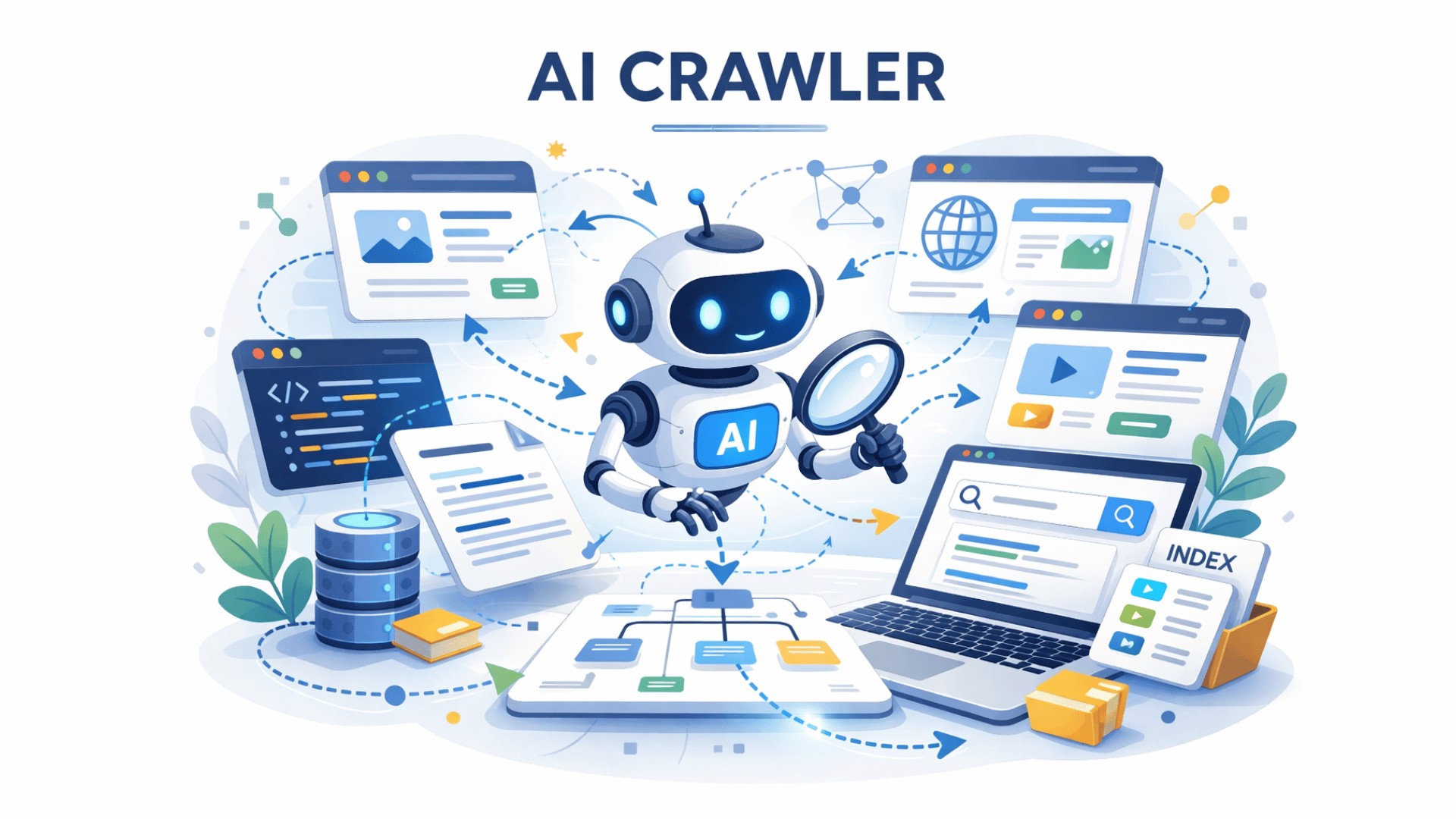
What Is an AI Crawler?
Read more: What Is an AI Crawler?An AI crawler is an automated bot that collects web content for AI-related purposes such as model training, AI search, or user-triggered retrieval. For businesses, this creates new challenges around server load, analytics, content control, and visibility. This article explains how AI crawlers work, how they differ from traditional search bots, and which measures help…
-
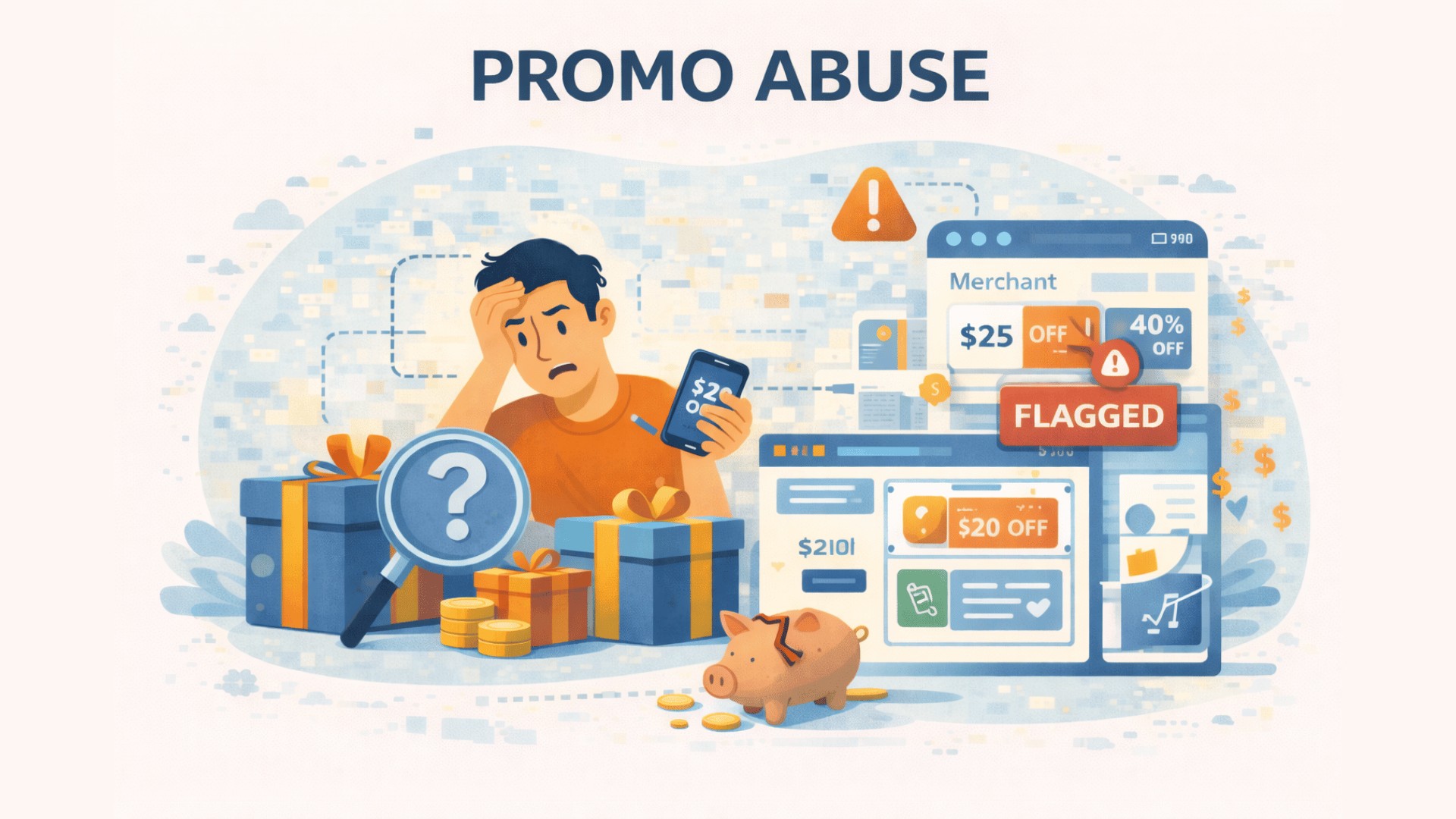
What Is Promotion Abuse?
Read more: What Is Promotion Abuse?Promotion abuse is the misuse of discounts, referral rewards, free trials, and other incentives in ways that break the intended campaign rules. It can look like growth at first, but over time it drains budgets, distorts reporting, and reduces customer acquisition efficiency. This article explains how promotion abuse works, why it matters for businesses, and…
-
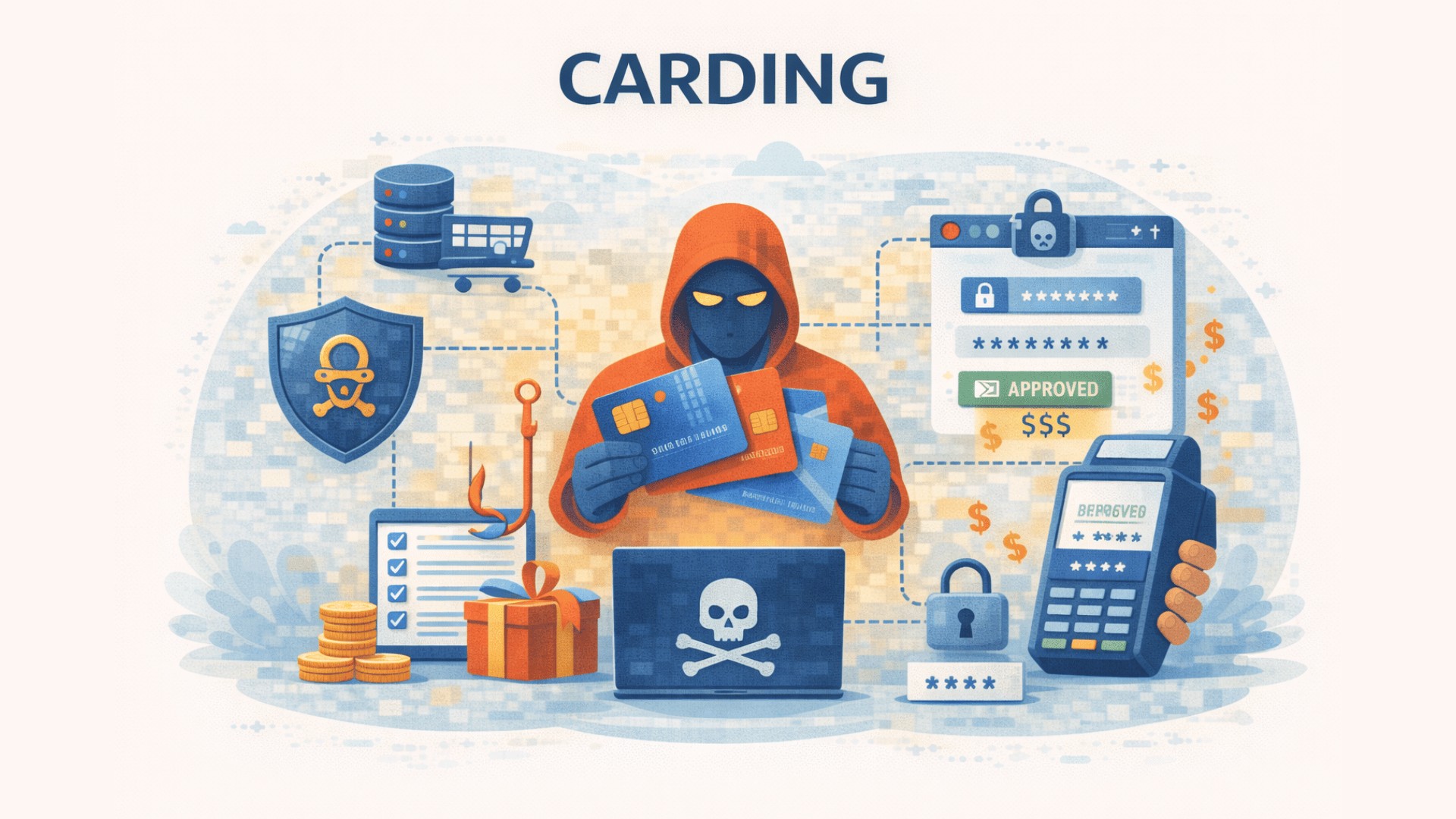
What Is Carding?
Read more: What Is Carding?Online businesses often notice carding only after something feels wrong. Failed authorisations rise, small payment attempts appear in clusters and checkout activity stops looking like normal customer behaviour. Behind that pattern is a form of automated payment abuse that helps criminals identify which stolen card details still work. That is why carding matters far beyond…
-
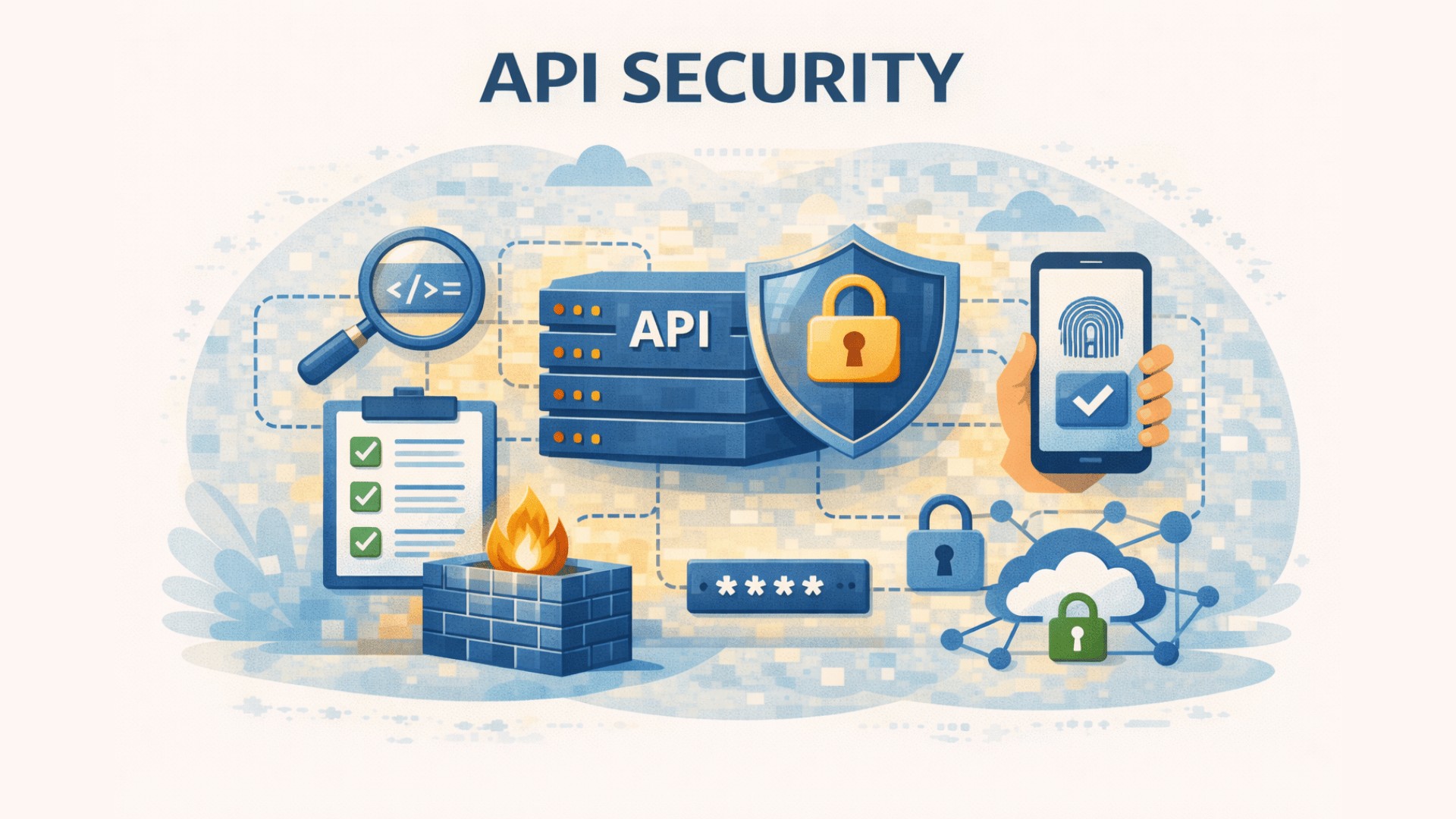
What Is API Security?
Read more: What Is API Security?API security protects the interfaces that connect websites, apps, and business systems. When APIs are poorly secured, attackers can abuse them to access data, disrupt services, or automate fraud. This article explains what API security is, how it works, the most common risks, and which measures help businesses reduce exposure and protect sensitive workflows.
 English
  German
  French
  Spanish
  Dutch
Dutch  Italian